
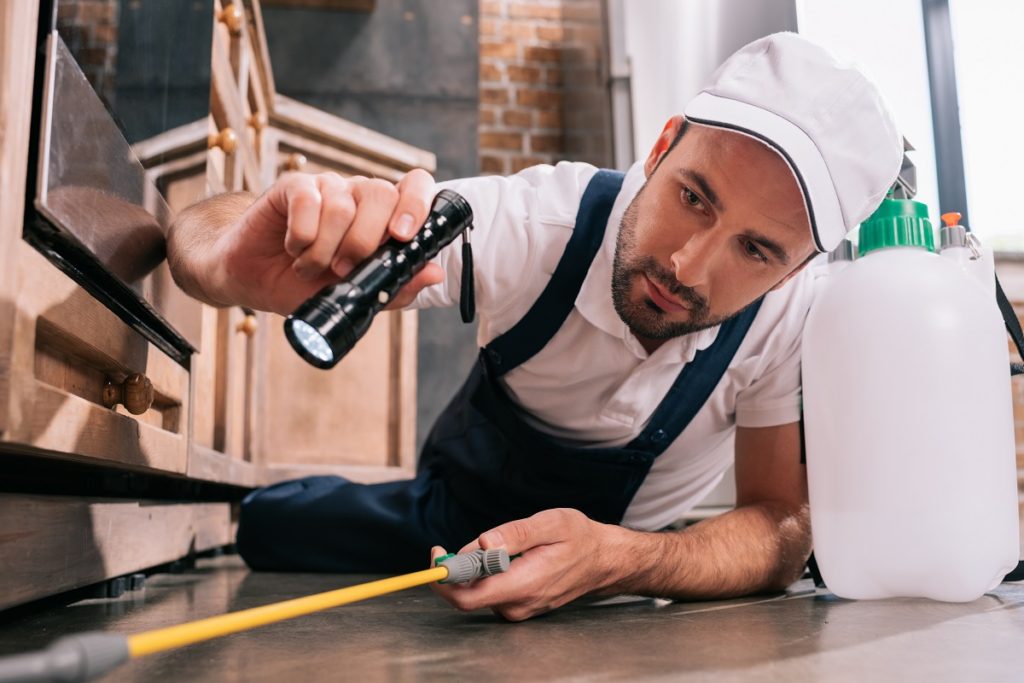
The Difference Between Wildlife Control and Pest Control
Wildlife Control vs. Pest Control: What Homeowners and HOAs Need to Know
They may sound similar, but the methods, regulations, and outcomes are very different.
Why the Difference Matters
In Central Texas, it is common to see service ads for pest control right next to ads for wildlife removal. The two fields share some goals, yet they follow different rules and use different tools. Choosing the wrong approach can lead to repeat problems, property damage, or even legal issues. This guide explains the key differences so you can make the right call for your home, business, or community.
What Pest Control Typically Covers
- Insects such as ants, roaches, mosquitoes, and wasps
- Occasional invaders such as spiders or silverfish
- Rodent programs that rely on bait stations and population reduction
Pest control focuses on chemicals, baits, and recurring treatments to reduce or break breeding cycles. It works well for insects and general sanitation issues. For structural wildlife conflicts, a chemical solution alone rarely solves the root cause.
What Wildlife Control Covers
- Structure-invading animals such as squirrels, raccoons, opossums, ringtails, and bats
- Entry-point diagnostics on roofs, vents, soffits, chimneys, and crawlspaces
- Humane removal, one-way exits, repair, and hard exclusion
Wildlife control is closer to light construction than to spraying. The work centers on inspection, safe removal, sealing entry points, and habitat guidance. It aims to stop the cycle by keeping animals out for good.
Regulations and Ethics
Wildlife work follows state and local rules that define how animals can be handled, moved, or excluded. Certain species require specific methods or timing. For example, bat work avoids maternity periods. Humane practices and client education are part of the job, especially for communities near greenbelts and preserves around Austin, Lakeway, Dripping Springs, and Georgetown.
Methods: Chemicals vs. Construction
Pest Control Methods
Residual sprays, baits, dusts, and monitoring traps that reduce insect populations. Some programs include exterior rodent bait stations. These tools do not repair holes in the structure or stop wildlife from entering.
Wildlife Control Methods
One-way gates that let animals exit but not return, species-specific trapping when needed, sealing gaps with galvanized mesh and flashing, vent guards, chimney caps, and follow-up inspections. This approach targets the cause rather than the symptom.
When to Call Which Service
- Call pest control for insects, ongoing mosquito reduction, and sanitation-related issues.
- Call wildlife control for noises in the attic, torn gable vents, chewed wiring, droppings in insulation, animal odors in walls or ducts, and repeated entry near rooflines.
Many properties benefit from both. A pest provider manages insects and general hygiene. A wildlife specialist solves structural access and keeps animals out.
How MB Wildlife Control Helps Central Texas Properties
- Full exterior and attic inspections that identify specific entry points
- Humane removal with one-way exits whenever possible
- Hard exclusions using long lasting materials that blend with the home
- Attic clean up, spot sanitation, and odor mitigation when needed
- Monthly deterrent plans for HOAs and properties near greenbelts and creeks
- Education for residents on trash storage, pet feeding, and seasonal activity
Our goal is simple. Fix the access, protect the structure, and reduce future conflicts. That saves money for homeowners and reduces complaints for property managers and boards.
Frequently Asked Questions
Can my pest company handle animals in the attic?
Some offer basic trapping, but long term success depends on exclusion and repairs. That is core wildlife work.
Will repellents solve a squirrel or raccoon problem?
Repellents are mostly ineffective, and at best short lived. Without sealing entry points, animals return or new ones move in.
Is wildlife control safe for pets and children?
Yes. We prioritize humane removal, physical barriers, and precise repairs rather than broad chemical use.
Schedule an Inspection
If you manage an HOA, a rental portfolio, or a home near a greenbelt, a proactive wildlife inspection can prevent costly repairs. MB Wildlife Control serves the Greater Austin area with humane removal and professional exclusion that lasts.
Contact MB Wildlife Control
📞 (512) 522-1780
📧 [email protected]
🌐 www.mbwildlifecontrol.com
