
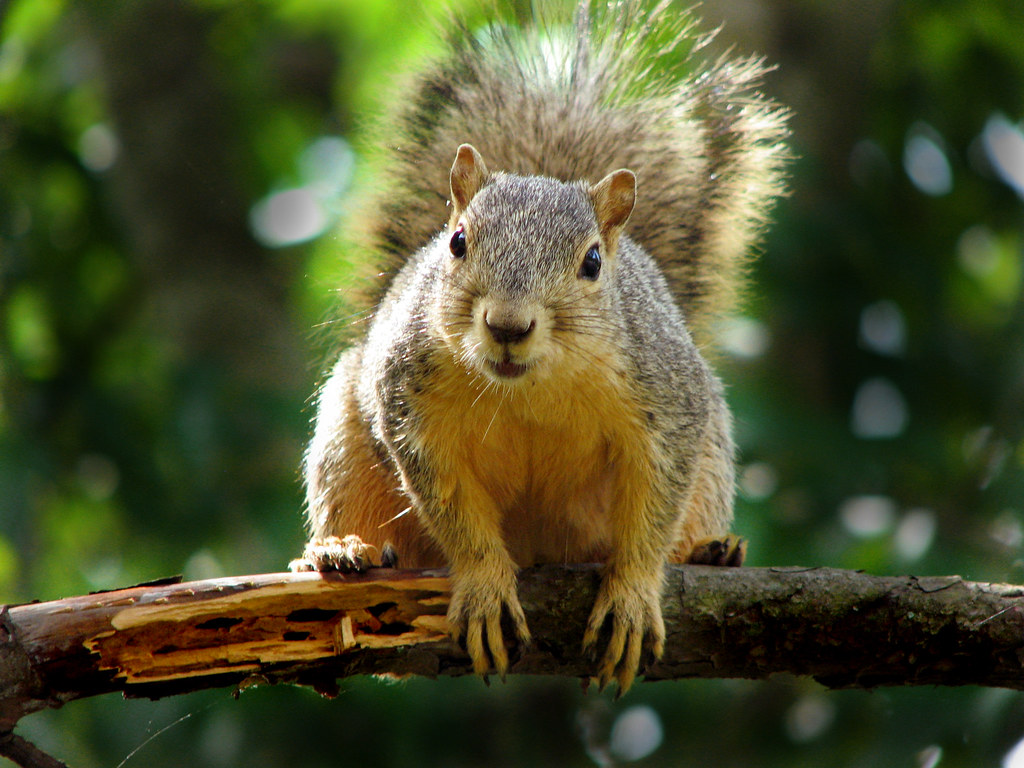
Fox Squirrels in Central Texas

How to identify fox squirrels, understand their behavior, and prevent attic and roofline problems
What Is a Fox Squirrel
The fox squirrel (Sciurus niger) is the largest tree squirrel species native to North America and the most common squirrel seen across Central Texas. Known for their reddish gray fur and energetic behavior, fox squirrels are frequent visitors to neighborhoods, parks, ranches, and wooded lots throughout the Austin region. They are agile climbers and highly adaptable, which allows them to take advantage of homes, attics, and roof structures when natural nesting sites are limited.
Identification
Fox squirrels are easy to recognize once you know their characteristics.
- Color: Mixture of red, orange, gray, and brown tones
- Size: Larger than most squirrels, typically 1 to 2.5 pounds
- Tail: Long and bushy with rusty or orange highlights
- Ears: Prominent with light colored edges
- Body Shape: Long body, strong hind legs, and sharp claws for climbing
The combination of reddish fur and size helps distinguish fox squirrels from the smaller gray squirrel species sometimes seen in Central Texas.
Behavior and Diet
Fox squirrels are active during the day, which makes them more noticeable than many other mammals. They spend much of their time in trees and travel across rooftops and fences with ease. Their diet includes:
- Acorns, nuts, and seeds
- Tree buds and flowers
- Berries and fruit
- Bird eggs when available
- Human food sources such as trash or bird feeders
They create leaf nests called dreys in trees, but when weather turns harsh or trees are scarce, they seek shelter inside attics, soffits, and wall voids.
Where Fox Squirrels Live in Central Texas

In the Austin area, fox squirrels thrive in mixed residential and natural environments. They are commonly found in:
- Neighborhoods with mature oak and pecan trees
- Creek corridors and greenbelts
- Parks, golf courses, and ranch lands
- Backyards with bird feeders or outdoor food sources
- Attics and soffits where entry points exist
Communities near older tree stands or river systems, such as Round Rock, Georgetown, Cedar Park, Lakeway, and West Austin, tend to see more activity.
Are Fox Squirrels Dangerous
Squirrels rarely pose a physical threat to people, but they can create costly problems inside structures. Their nesting and chewing habits may cause:
- Chewed electrical wiring that increases fire risk
- Shredded insulation and debris scattered through the attic
- Damaged roof vents, soffits, gable vents, and siding
- Noises that disturb sleep, especially early in the morning
- Nesting material that blocks ventilation
Female fox squirrels are especially persistent during spring breeding season and will continue to widen openings if not addressed quickly.
Signs of Fox Squirrels in Your Attic or Home

- Scratching and scampering noises at dawn or dusk
- Shredded insulation or leaf material inside the attic
- Chewed wiring, wood, or ductwork
- Nests built near attic edges or behind stored items
- Visible damage to roofline vents or access points
- Droppings near the entry location
It is common for homeowners to hear noises for several weeks before realizing a squirrel family is living above the ceiling.
How to Reduce Squirrel Activity Around Your Home
You can make your property less appealing to fox squirrels by taking a few preventative steps:
- Trim back tree branches that touch the roof
- Use squirrel guards or shielded bird feeders
- Repair damaged vents and openings quickly
- Keep garages and storage areas closed when not in use
- Seal gaps where rooflines meet siding
These measures reduce access while limiting the chance of structural damage.
How MB Wildlife Control Handles Squirrel Issues
We offer safe removal and long term exclusion services for fox squirrels in the Greater Austin region.
- Full inspection of the roofline, attic, and exterior
- Use of one way exits so squirrels can leave without reentering
- Trapping only if needed and only when compliant with Texas laws
- Sealing entry holes with durable metal materials
- Repair of damaged vents, gable screens, and roof gaps
- Spot cleanup of nesting materials and damaged insulation
We focus on preventing repeat issues by correcting the cause and reinforcing vulnerable areas.
When to Call a Professional
You should reach out for help if you notice:
- Ongoing noise in the attic during early morning or late evening
- Visible damage to roof vents or fascia boards
- Nests or shredded insulation inside the attic
- Chewed wiring or ductwork
- Young squirrels trapped behind walls or stuck in living spaces
The longer squirrels stay inside, the more damage they can create. A professional can confirm the issue and provide a plan for safe removal and repair.
Contact MB Wildlife Control
If you suspect fox squirrels are living in your attic or damaging your property, we can help with inspection, removal, and exclusion work.
MB Wildlife Control
Phone: (512) 522-1780
Email: [email protected]
Website: www.mbwildlifecontrol.com
