
Raccoons in Central Texas
How to recognize raccoons, understand their behavior, and know when to call a wildlife professional.
What Is a Raccoon
The raccoon (Procyon lotor) is a medium sized mammal native to North America and now common throughout Central Texas. Raccoons are highly adaptable and thrive in both wild and urban environments. Around Austin, they are often seen along creeks, greenbelts, golf courses, and in neighborhoods where food and shelter are easy to find.
Identification

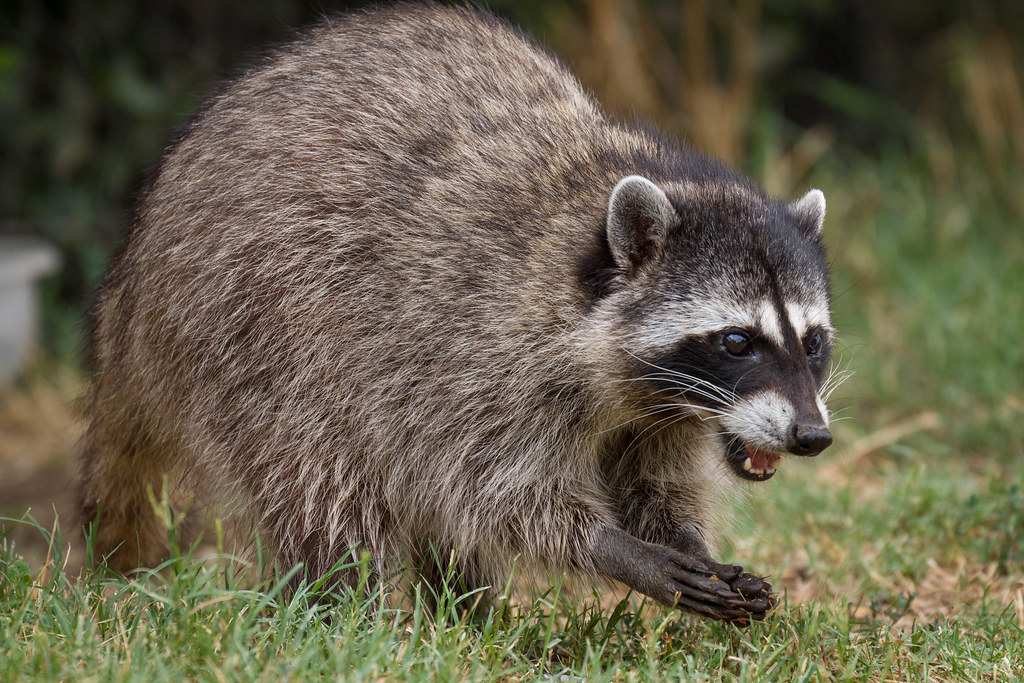
Raccoons are easy to recognize once you know their key features.
- Face: Distinct black “mask” around the eyes with white borders.
- Tail: Ringed tail with alternating dark and light bands.
- Body: Gray to brown fur, stocky frame, rounded ears.
- Size: Typically 10 to 30 pounds and about 2 to 3 feet long including the tail.
- Paws: Five nimble toes on each foot that resemble small hands.
Those dexterous front paws allow raccoons to open latches, flip lids, and explore attics and crawl spaces very effectively.
Behavior and Diet
Raccoons are primarily nocturnal and most active from dusk through early morning. They are opportunistic omnivores, which means they eat a wide variety of foods.
- Frogs, insects, small rodents, and bird eggs
- Fruit, nuts, and acorns
- Pet food left outside
- Garbage or compost that is not secured
In neighborhoods, this behavior often leads to tipped over trash cans, emptied bird feeders, and animals exploring porches, garages, and rooflines.
Raccoon Habitat in Central Texas
In and around Austin, raccoons favor areas where water and cover are close together. Creeks, retention ponds, storm drains, and wooded greenbelts create ideal travel corridors. From there, they spread into backyards, attics, and other structures.
Common raccoon locations on residential and commercial properties include:
- Attics and soffits entered through damaged vents or roof gaps
- Crawl spaces and under decks
- Detached garages and storage sheds
- Dumpsters, trash enclosures, and outdoor kitchens
Are Raccoons Dangerous
Raccoons usually avoid direct contact with people. However, they can create several concerns when living in or around structures:

- Property damage: Torn vents, chewed wood, damaged shingles, and shredded insulation.
- Contamination: Droppings and urine that can affect air quality and insulation.
- Parasites and disease: Raccoons may carry roundworms, fleas, and other parasites. Rabies is rare but possible in wild populations.
- Pet conflicts: Defensive behavior if cornered by dogs or outdoor cats.
Any raccoon that appears unusually bold, disoriented, or active in the middle of the day should be treated with extra caution and evaluated by a professional.
Signs of Raccoons in Your Attic or Home
- Heavy thumping, scratching, or dragging sounds at night above ceilings
- Insulation pulled away from edges or visible damage near eaves and vents
- Strong musky odors or localized urine smell
- Droppings on roofs, near access points, or inside the attic
- Visible damage to gable vents, soffits, or rooflines
Female raccoons often choose attics as den sites to raise young, especially in late winter and spring, which makes careful and humane removal very important.
Coexisting with Raccoons
It is possible to reduce conflicts without harming wildlife. Simple steps can make your property much less attractive to raccoons:
- Secure trash cans with tight fitting lids or straps.
- Bring pet food indoors at night.
- Keep garage doors closed when not in use.
- Trim tree branches that hang directly over the roof.
- Close off access under decks and sheds with sturdy wire mesh.
These measures help protect your home and also reduce the chance of raccoons being injured or killed while seeking food and shelter.
How MB Wildlife Control Handles Raccoon Problems
MB Wildlife Control provides humane raccoon removal and exclusion services across the Greater Austin area. Our approach focuses on long term solutions rather than quick fixes.

- Detailed inspections to locate all entry points and den sites.
- Use of one way doors and species appropriate techniques to allow raccoons to exit safely.
- Trapping when required, following local regulations and humane standards.
- Permanent sealing of vents, gaps, and roof openings with durable materials.
- Clean up and spot sanitation of affected areas, including soiled insulation when needed.
Our goal is to remove the animals, repair the access, and help you prevent the same issue from returning.
When to Call a Professional
You should contact a wildlife specialist if:
- You hear consistent noise in the attic or walls at night.
- You see visible damage to vents, soffits, or roof edges.
- You notice raccoon droppings or strong odor inside the home.
- You suspect a raccoon may be trapped inside after a repair was made.
Attempting to remove raccoons on your own can lead to injury, orphaned young, or incomplete repairs that allow the problem to continue.
Contact MB Wildlife Control
If you think raccoons may be living in your attic, crawlspace, or elsewhere on your property, MB Wildlife Control can help you confirm the problem and design a plan to resolve it.
MB Wildlife Control
Phone: (512) 522-1780
Email: [email protected]
Website: www.mbwildlifecontrol.com
